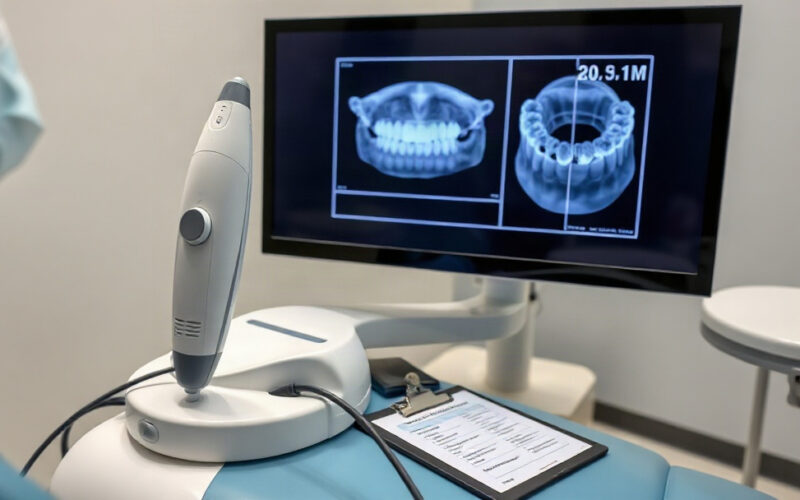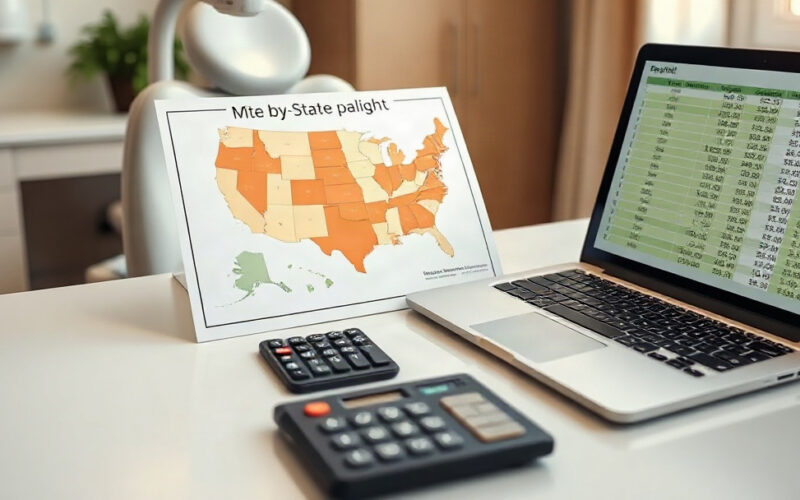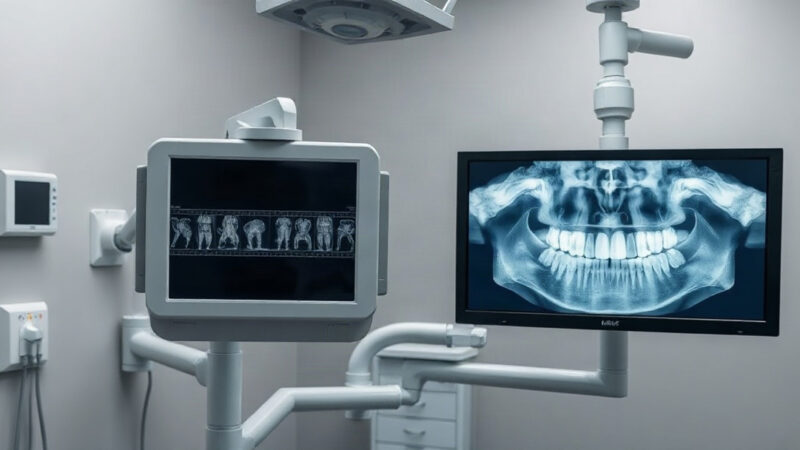
By 2026 the large majority of U.S. dental practices have already converted to digital radiography, the American Dental Association has stated adoption above 90%, so “digital vs. film” is a decision most owners made years ago, not one they’re facing today. The economics that actually matter now are three narrower decisions: whether it’s still worth converting the small number of remaining film holdouts (and what film does to a practice’s sale price), how to choose between a sensor and a phosphor plate (PSP) system for a purchase you’re making today, and how to budget for the replacement cycle, sensor failure, cable wear, software licensing, OS compatibility, that most practices never model and that quietly erodes the “digital is cheaper” assumption. This guide works through all three with cost structure, not invented prices, plus the per-image and per-patient arithmetic behind the break-even case for conversion.
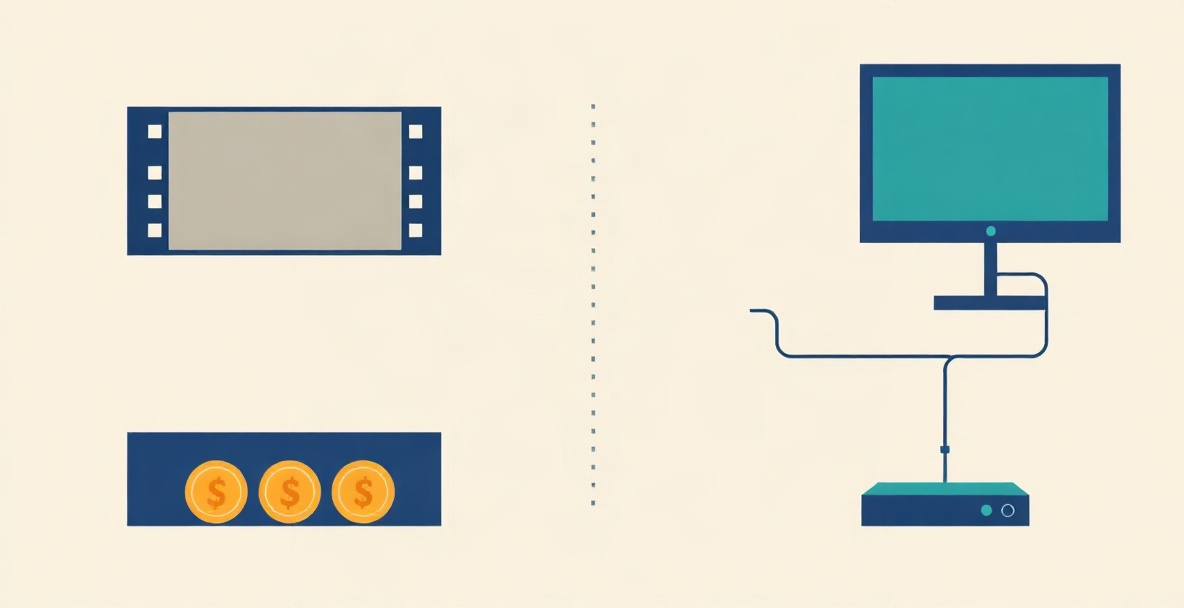
Why “Digital vs. Film” Is the Wrong Question in 2026
A search for “digital vs film radiography” in September 2026 turns up exactly what you’d expect from a question that peaked in relevance over a decade ago: dental-hygiene-school course material, general radiography content written for industrial and veterinary audiences, and clinic-marketing pages restating the same case for digital that’s been true since the 2010s. None of it is written for a practice owner deciding what to do in 2026, because for most owners there’s nothing left to decide. The American Dental Association has said adoption of digital radiography among U.S. dental practices exceeds 90%, per its own published standards documentation.1 Film is now the exception, not the baseline.
That reframes the useful question. It isn’t “should my practice go digital”. It’s one of three narrower decisions depending on where a practice actually sits: still running film and wondering whether conversion is worth it this late, buying a new digital system and choosing between sensor and PSP, or already digital and about to discover that the hardware doesn’t last forever.
Decision 1: The Remaining Film Holdouts
The practices still shooting film in 2026 tend to fall into two groups: genuinely small, often solo practices where the owner is within a few years of retirement, and practices in the process of being acquired where the buyer inherits whatever imaging system is already installed. Both groups face a real, non-obvious economic question that a generic “digital is better” argument doesn’t answer: does conversion pay back in the years of practice remaining?
For an owner two or three years from selling or retiring, the honest math weighs the cost of converting: sensors or a PSP system, software, staff retraining, and the workflow disruption during transition, against a short remaining runway to recover that cost through the efficiency and diagnostic gains covered below. There’s no universal answer; it depends on volume, the age and condition of the existing film setup, and whether the practice’s buyer will discount the offer for exactly the reason covered next.
Film is a material devaluation factor when selling a practice, and it’s a point most guides don’t make explicitly. A buyer evaluating a film-based practice isn’t just weighing the imaging system in isolation. They’re pricing in a conversion cost they’ll have to absorb immediately after close, plus a records-migration problem: digitizing or otherwise transferring years of physical film into a modern system so patient history is usable and portable. Outdated equipment doesn’t automatically cut the headline valuation number, but it invites exactly the kind of deferred-capital-expenditure questions that a buyer’s underwriting will model, and a savvy buyer will use it as a negotiating point even when the seller sees the equipment as “still working fine.” See DPI’s practice valuation guide for how buyers build that underwriting model, and DPI’s guide to selling a dental practice for how to prepare a practice, including its equipment, before it goes to market. If conversion is the right call and financing is part of the plan, DPI’s equipment financing guide covers how loan, lease, and Section 179 treatment compare for exactly this kind of purchase.
Decision 2: Sensor vs. Phosphor Plate (PSP)
For the practice actually buying a digital system today, whether converting from film or replacing an aging first-generation digital setup, the live purchasing decision isn’t “digital vs. film,” it’s sensor vs. PSP. Sensor and PSP pricing, like intraoral scanner pricing covered in DPI’s scanner ROI comparison, is dealer-quoted and varies by brand, configuration, and bundled software or warranty terms. No manufacturer publishes a standard price, so treat any number you see in a blog post as unreliable and get quotes directly.
The two systems trade off differently across the dimensions that actually affect day-to-day practice, and a meaningful number of practices run both deliberately rather than standardizing on one:
| Dimension | Sensor (CCD/CMOS, wired) | Phosphor Plate (PSP) |
|---|---|---|
| Breakage risk | Expensive to replace if dropped, bent, or bitten, a single damaged sensor is a real capital loss | Plates are comparatively inexpensive to replace individually, but they wear with repeated use and scanning cycles |
| Patient comfort / positioning | Rigid and often thicker than film, which can make positioning harder in a small mouth or with a strong gag reflex | Thinner and more flexible, generally more comfortable and easier to position, closer to a film-like feel |
| Pediatric / gag-reflex cases | The rigid form factor is frequently the harder option for pediatric patients and strong gaggers | Often the better fit for these cases specifically because of the thinner, more flexible plate |
| Infection control workflow | Requires a barrier sleeve per exposure and careful cable management, but no separate scanning step | Requires a barrier plus a plate-scanning step between exposure and image display, adding a workflow stage and a scanner to maintain |
| Throughput | Image appears on-screen within seconds of exposure, with no separate scanning step | Image appears after the plate is run through a separate reader, adding a short but real delay per exposure |
| Image availability | Immediate, wired to the workstation at the point of capture | Requires carrying or transporting the plate to the scanner unless a chairside reader is installed |
This comparison describes structural tradeoffs reported across dental radiography literature and vendor documentation; it is not a benchmark of any specific product line, and image-quality and workflow performance vary by manufacturer and model. Get current specifications directly from vendors before purchasing.
On radiation dose specifically, don’t take a marketing claim at face value, the Health Physics Society’s published dose comparisons show PSP dose is roughly comparable to F-speed film, while CCD sensor dose is estimated at roughly half of PSP or film for a full-mouth series under the same collimation.2 But the Health Physics Society also notes the caveat that matters most for a working practice: because sensors are rigid and less forgiving to position, retake rates are frequently higher with sensors, and a higher retake rate erodes the dose advantage in practice, not just the cost advantage. A PSP system with a lower single-exposure dose advantage but a lower retake rate can end up delivering less cumulative patient dose than a sensor system with more retakes, which is exactly why some practices keep both systems rather than picking one.
Decision 3: The Replacement Cycle Nobody Budgets For
The most common mistake in “digital is cheaper than film” thinking is treating the digital purchase as a one-time capital expense instead of a recurring one. Sensors fail. Cables fray and short out with normal daily handling. Imaging software requires ongoing licensing, and that software has to stay compatible with whatever practice management system runs the rest of the office, see DPI’s technology stack guide for how imaging fits into that broader integration picture. And a sensor that no longer has current driver support for whatever operating system your workstations are running becomes a forced, unplanned upgrade at a time not of your choosing, not a scheduled replacement.
None of these costs show up in the initial purchase quote, and none of them are hypothetical. They’re the reason total cost of ownership over a realistic replacement horizon, not the sticker price of one purchase, is the right way to evaluate whether “digital is cheaper” actually holds for a specific practice. A practice that financed a sensor system without budgeting for a mid-life sensor failure, a software renewal increase, or an eventual forced OS-compatibility upgrade can find itself facing an unplanned replacement cost stacked on top of an existing loan payment. Budgeting for this cycle the way DPI’s startup cost breakdown treats other major equipment categories, as an amortized, recurring line item rather than a single purchase, is the difference between an accurate cost comparison and an optimistic one.
The Economics: What Actually Goes Into a Per-Image Cost
A defensible per-image or per-patient cost comparison has to include line items that most informal comparisons skip on both sides of the ledger:
- Film side: film stock, processing chemistry (developer and fixer), developer maintenance and calibration, retakes, staff time spent processing and filing, and physical storage and retrieval space.
- Digital side: the capital cost of sensors or PSP hardware (amortized, not treated as a one-time expense), ongoing software and cloud-storage licensing, and the replacement/failure budget covered above.
Retake rate is a major hidden cost on both sides of this comparison, and it doesn’t disappear with digital. It just gets smaller. Digital imaging generally reduces retakes because the image is visible immediately and can be corrected before the patient leaves the chair, but positioning errors, sensor-size limitations, and gag reflex still produce retakes on a digital system. Any cost model that assumes digital retakes are zero is overstating the digital savings.
Staff time is usually the single largest term in this comparison, and it’s the one most owners never quantify. Film processing consumes staff time in the darkroom, in retaking failed exposures, and in physically filing and later retrieving film for records requests or referrals. Digital collapses most of that time to near-zero per image, but that saved time only shows up as a real financial benefit if it converts into more scheduled production. Freed-up minutes that go unused don’t show up on a P&L.
Storage, retrieval, and records-request fulfillment is a genuine operational cost that digital transforms rather than eliminates. A practice with years of physical film has real square footage tied up in film storage and real staff time spent locating and copying film for a referral or a patient’s own records request. Under HIPAA’s right of access, a practice has a legal obligation to provide patients their records, including imaging, within a defined timeframe, and that obligation is meaningfully harder and slower to meet from a filing cabinet of film than from a searchable digital record. See DPI’s HIPAA compliance guide for the specifics of that right-of-access requirement and how it applies to imaging records.
Digital imaging also has a working-capital effect on the insurance side. Digital images attach directly to electronic insurance claims, which generally speeds claim processing and reimbursement compared with mailing or faxing physical film or prints. That’s not a per-image cost saving so much as a cash-flow timing benefit, money arrives sooner, but it’s a real economic effect that a pure per-image cost comparison misses.
Illustrative DPI editorial model, not a benchmark. The figures below are round, hypothetical inputs meant to make the break-even logic legible. Substitute your own vendor quotes, your own retake and volume data, and your own chair value before drawing a conclusion for your practice.
Break-even framing: Conversion pays back at the imaging volume where accumulated film-side costs (chemistry, staff time, retakes, storage) exceed the amortized digital-side cost (hardware, software licensing, and the replacement-cycle reserve) over the same period. Say an illustrative practice spends $180/month on film and chemistry plus an illustrative 6 staff-hours/month valued at $22/hour ($132) on processing and filing, a total illustrative film-side cost of $312/month. Say digital conversion carries an illustrative all-in monthly cost (amortized hardware, software licensing, and a replacement reserve) of $260/month. On these illustrative numbers alone, digital is already cheaper before counting the retake reduction, working-capital, or records-efficiency benefits, but a practice with very low imaging volume, a small existing film investment, and a short remaining ownership horizon (the retirement-adjacent case in Decision 1) can see the comparison flip, because the digital side’s amortized cost doesn’t shrink much at low volume while the film side does.
For the fuller operations picture beyond imaging economics, see DPI’s practice management hub.
The Regulatory and Waste Angle
A practice still running film carries a waste-handling obligation a digital practice doesn’t: film processing produces regulated waste, specifically silver-bearing fixer and developer solutions and lead foil from film packets, both of which have specific handling and disposal requirements. DPI’s dental waste management and compliance guide covers these requirements in depth. If your practice is still processing film, that’s required reading alongside this one, and it’s not re-derived here.
Frequently Asked Questions
Is film radiography still used in dental practices in 2026?
Yes, but by a small minority. The ADA has stated adoption of digital radiography among U.S. dental practices exceeds 90%. Remaining film users tend to be small or solo practices near retirement, or practices mid-acquisition where the buyer inherits an existing film setup.
Does still using film hurt a dental practice’s sale value?
It can. A buyer prices in both the cost of converting to digital after close and the effort of migrating physical film records into a usable format. It doesn’t automatically cut the headline valuation, but it invites the deferred-capex scrutiny that shows up in underwriting and can become a negotiating point.
Should I buy a sensor or a phosphor plate (PSP) system?
It depends on case mix. Sensors give an immediate on-screen image with no scanning step but are expensive to replace if damaged and can be harder to position for pediatric or strong-gag-reflex patients. PSP plates are cheaper to replace individually and generally more comfortable, but require a scanning step and wear with repeated use. Many practices run both deliberately.
Is digital radiography actually lower radiation dose than film?
Per the Health Physics Society’s published comparisons, PSP dose is roughly comparable to F-speed film, while CCD sensor dose is estimated at roughly half of PSP or film for a full-mouth series under matched collimation, but sensors’ rigid form factor frequently produces higher retake rates, which can erode that advantage in practice.
What’s the biggest hidden cost in “digital is cheaper than film” comparisons?
Staff time (usually the largest single term on both sides) and the digital replacement cycle: sensor failures, cable wear, software licensing renewals, and forced upgrades when a sensor loses OS driver support. Treating digital as a one-time purchase rather than a total-cost-of-ownership commitment overstates its savings.
At what imaging volume does converting from film to digital pay back?
There’s no universal number. It depends on current film-side costs (chemistry, staff time, retakes, storage) versus amortized digital-side cost (hardware, licensing, replacement reserve). Higher-volume practices recover faster; a very low-volume practice near retirement may not recover it within its remaining ownership horizon.
Does film processing create regulated waste?
Yes. It produces silver-bearing fixer and developer solutions and lead foil from film packets, both carrying specific handling and disposal requirements, see DPI’s dental waste management and amalgam separator compliance guide, since these don’t apply to a fully digital practice.
Sources fetched for this article: American Dental Association (ADA News), “Standards support capture, exchange of high-quality digital radiographs” (adanews.ada.org, Dec. 2023) for the digital radiography adoption figure; Health Physics Society, “Doses from digital imaging in dental radiology” (hps.org) for radiation dose comparisons between film, PSP, and CCD sensor systems. As of September 2026.